

Fine Dark Bark ♦ Flower Beds ♦ Landscaping Materials
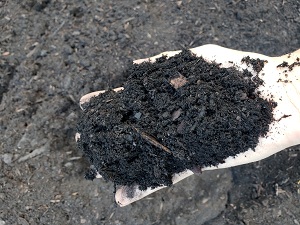
Fine dark bark is a cheaper alternative to compost. It’s looks similar and can be mixed with other materials for garden use. Fine dark bark can be mixed with white pumice rock to make potting soil. Fine dark bark works well for roof top gardens and flower beds. We have fine dark bark available in 5/8-. Our fine dark bark comes in brown to black colors.
If you’re looking for affordable aged organic material, fine dark bark is the way to go. You can use it to mix with your topsoil to lighten and enrich flowerbeds. You can use fine dark bark for residential and commercial flowerbeds. For high quality fine dark bark, contact us today.
- Available in 5/8-
- Flowerbeds and Rooftop Gardens
- Safe for the Environment
- Cheaper than Regular Compost
- Available in All Volumes
- Residential and Commercial Landscaping
- Enriches and Lightens Topsoil
FREQUENTLY ASKED QUESTIONS
Fine dark bark is a screened, aged bark material with a dark brown to black color. It is commonly used as an affordable alternative to compost and helps improve the appearance of landscaping beds.
Fine dark bark is used for flower beds, rooftop gardens, and residential or commercial landscaping. It can also be mixed with topsoil or other materials to improve soil texture and appearance.
Yes, we provide delivery of fine dark bark using our truck fleet across the greater Puget Sound area for both small and large volume orders.
Yes, it can be mixed with topsoil or other materials to lighten and enrich garden beds. It is also commonly blended with pumice rock for potting soil mixes.
Yes, it works very well in flower beds by improving appearance and helping retain moisture in the soil while reducing weed growth.
Fine dark bark is more affordable and mainly used for landscaping appearance and soil blending, while compost is richer in nutrients. It can be used as a cheaper alternative or mixed with compost.
Fine dark bark is typically available in 5/8” minus size, making it suitable for fine landscaping and decorative applications.
Yes, it is safe and environmentally friendly, commonly used in both residential and commercial landscaping projects.